
WELCOME TO THE
I2UD Digital Library
About the I2UD Digital Library
The I2UD Digital Library is an open-access educational platform expanding access to over four decades of urban planning research and documentation, primarily across the Global South. The Library connects a longitudinal record of planning practices with ongoing contextualization within the broader planning discourse, using I2UD’s broad base of textual and visual sources from its project history.
The Institute for International Urban Development (I2UD) is a not-for-profit institution dedicated to improving urban environments for vulnerable communities by providing research on spatial development issues, advisory services to city leaders, and urban planning education programs. The I2UD Digital Library supports and advances these aims by providing access to the rich urban planning documentation representing I2UD’s decades of research and practice.
The Collections
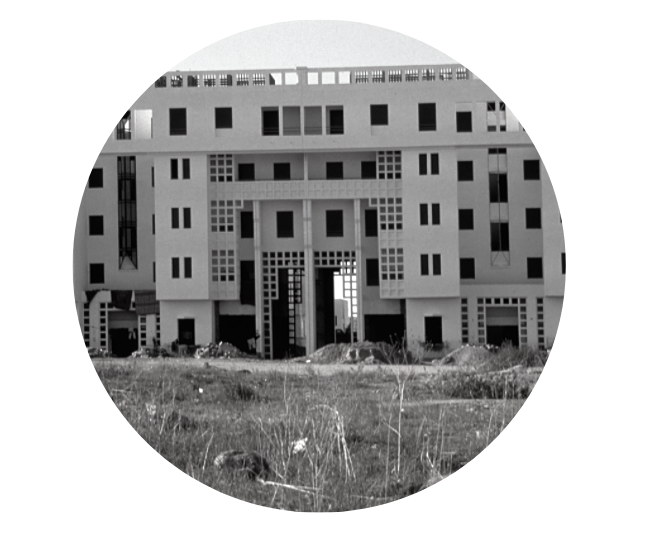
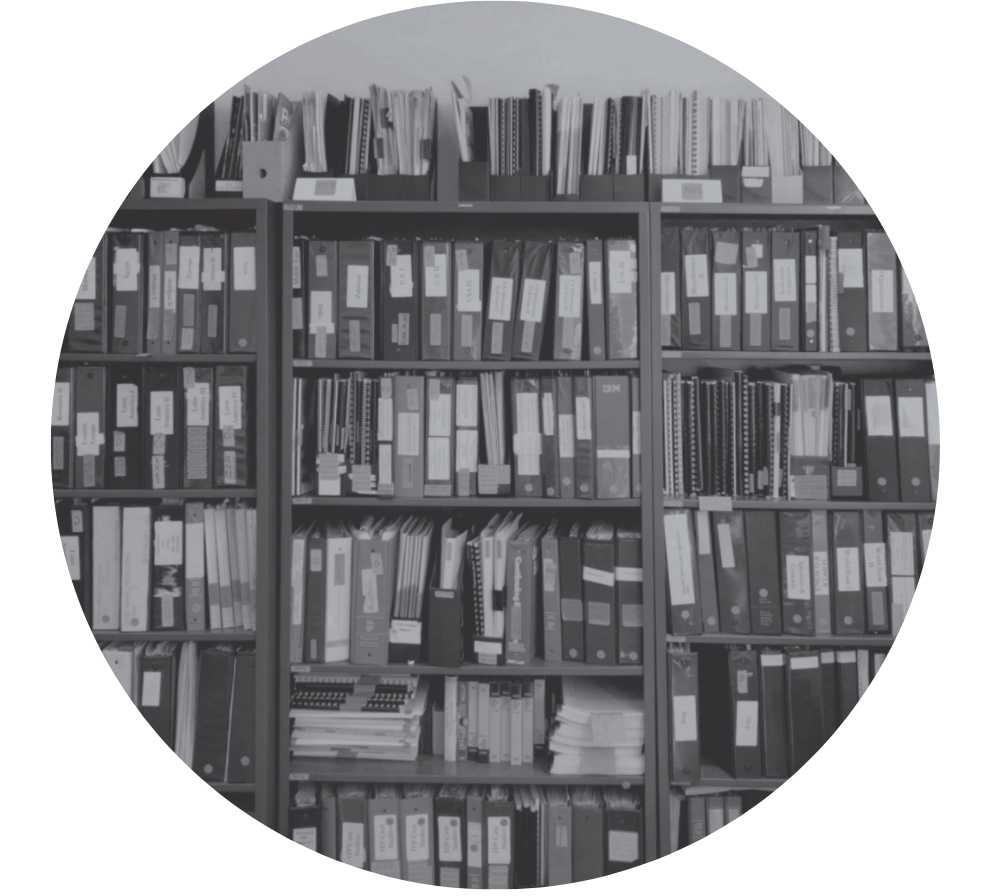
The Library provides access to around 140 projects, including digital copies of final reports, research and policy papers, presentations, and other supporting documents. The Library also displays a collection of images documenting urban development conditions in over 13 countries, along with an even more extensive collection of digitized 35mm film slides, curated by former I2UD Vice President and renowned researcher Mona Serageldin.
Study Guides
A more recent initiative for the Institute is our I2UD Digital Library Study Guides digital resources. The Library’s curated Study Guides provide a resource for engaging critical urban issues in classrooms, conferences, and development projects. Collectively, these resources offer comprehensive practical documentation and essential materials for understanding both successful and unsuccessful urban development practices, shedding light on the evolving approaches in this field over decades.
The first study guide on informal settlements encompasses a broad timeline of research, from early studies on the growth of informal settlements to recent initiatives in infrastructure upgrading, community development, and social inclusion. Two additional study guides address post-conflict reconciliation and climate adaptation and resilience, with more planned for the future on topics such as historic districts, municipal finance, community-driven development, and migration and remittances.